
Counselling services
Gottman Couples Checkup & Relationship Counselling in Calgary

Building and maintaining a healthy relationship takes more than love—it requires communication skills, emotional understanding, and a willingness to grow together. At Can’t We Just Get Along Counselling in Calgary, we use the Gottman Couples Checkup and the research-based Gottman Method to help couples strengthen their connection, resolve conflict, and create lasting emotional intimacy. Whether you’re dating, engaged, married, or navigating a long-term partnership, our approach provides a science-backed roadmap for relationship success. Through personalized assessments, proven therapy techniques, and practical communication strategies, we guide you toward a more connected, supportive, and resilient partnership.

We Use the Gottman Couples Checkup
- The Gottman Couples Checkup is an online assessment tool designed to evaluate the strengths and challenges within a couple’s relationship. Developed by Drs. John and Julie Gottman, leading researchers in the field of relationships, this tool is grounded in years of scientific research and aims to help couples improve their connection and communication.
- Purpose and Benefits
- The primary purpose of the Gottman Couples Checkup is to provide an in-depth analysis of a couple’s relationship dynamics. By identifying specific areas of strength and those that may require improvement, couples can work more effectively towards enhancing their relationship. Some key benefits include:
- Personalized Feedback: Couples receive a detailed report that highlights their strengths and areas for growth.
- Guided Improvement: The assessment offers practical suggestions and exercises to encourage positive change.
- Enhanced Communication: By addressing specific issues, couples can improve their communication and deepen their understanding.
- Professional Guidance: Often used by therapists, the checkup can be an excellent starting point for couples’ therapy.
Components of the Assessment
- The Gottman Couples Checkup assesses several aspects of a relationship, including:
- Friendship and Intimacy: Evaluates the couple’s emotional connection and physical intimacy.
- Conflict Management: Looks at how couples manage disagreements and resolve conflicts.
- Shared Meanings: Reviews the couple’s shared values, goals, and rituals.
- Trust and Commitment: Measures the level of trust and commitment within the relationship.
How It Works
- Completion of the Assessment: Each partner completes the assessment individually. It typically takes about an hour and covers various dimensions of the relationship.
- Analysis and Report Generation: Once both partners have completed the assessment, a comprehensive report is generated. This report provides a detailed analysis of the relationship’s dynamics.
- Review and Action Plan: Couples can review the report together or with a therapist to create an action plan for strengthening their relationship.
Who Can Benefit?
The Gottman Couples Checkup is beneficial for couples at any stage of their relationship, whether they are dating, engaged, married, or even in long-term committed relationships. It is beneficial for those who wish to:
- Gain a deeper understanding of their relationship.
- Address specific concerns or challenges.
- Strengthen their emotional and physical connection.
In conclusion, the Gottman Couples Checkup is a valuable tool for couples seeking to enhance their relationship. By providing a comprehensive analysis and actionable insights, it empowers couples to build a healthier, more fulfilling partnership.

The Science Behind Gottman Couples Therapy
Gottman Couples Therapy is a highly respected approach to relationship counselling, developed by Dr. John Gottman and his wife, Dr. Julie Schwartz Gottman. This therapy is grounded in extensive research and aims to help couples foster stronger, more fulfilling relationships. Let’s explore the science that underpins Gottman Couples Therapy.
The Research Foundation
Longitudinal Studies
Dr. John Gottman’s work is based on over four decades of research, including comprehensive longitudinal studies. These studies have involved observing and analysing thousands of couples over extended periods to understand what factors contribute to relationship success or failure. Using methods such as video recordings of couples’ interactions, physiological measurements, and follow-up surveys, Gottman identified key behaviours and patterns that predict marital success or divorce.
The Love Lab
One of the most notable aspects of Gottman’s research is the “Love Lab,” a facility where couples are observed interacting in a controlled environment. Here, researchers collect data on verbal communication, body language, and even heart rates. This extensive data collection has provided valuable insights into the dynamics of healthy and unhealthy relationships.
The Key Concepts
The Four Horsemen
Gottman identified four negative communication patterns that strongly predict relationship breakdown, which he termed the “Four Horsemen of the Apocalypse”:
- Criticism
- Contempt
- Defensiveness
- Stonewalling
Recognising and addressing these behaviours is an essential part of Gottman Couples Therapy.
The Sound Relationship House
Gottman developed the Sound Relationship House Theory, which outlines the fundamental components of a healthy relationship. The “house” includes the following elements:
- Building Love Maps: Understanding each other’s worlds
- Sharing Fondness and Admiration: Expressing appreciation and respect
- Turning Towards Instead of Away: Engaging with your partner
- The Positive Perspective
- Managing Conflict: Accepting influence, dialogue, and self-soothing
- Making Life Dreams Come True
- Creating Shared Meaning: Building a sense of purpose and legacy together
The Therapeutic Approach
Assessment and Feedback
The Gottman Method starts with a comprehensive assessment of the couple’s relationship, followed by personalised feedback sessions. This assessment helps therapists adapt interventions to meet the specific needs of the couple.
Skill Building
Therapists focus on helping couples develop skills for managing conflict, strengthening friendship, and creating shared meaning. Techniques include:
- Emotion Coaching: Helping partners express and manage emotions constructively
- Repair Attempts: Strategies to de-escalate tension and reconnect
- Stress-Reducing Conversations: Techniques to support each other during stressful times
Emphasis on Strengths
While addressing issues is vital, the Gottman Method also prioritizes building on the couple’s existing strengths. By reinforcing positive interactions and behaviours, couples can develop a more resilient and rewarding relationship.
Conclusion
Gottman Couples Therapy, grounded in scientific research, provides a structured, evidence-based approach to strengthening relationships. By understanding the dynamics of healthy interactions and addressing destructive patterns, couples can work towards a more harmonious and connected partnership.
When Should You Attend Couples Counselling?
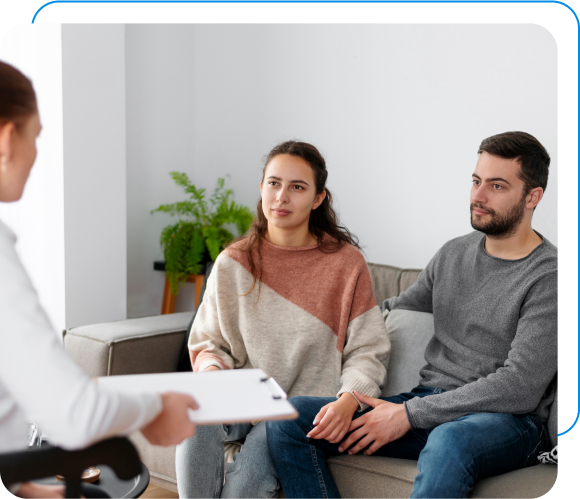
Couples counselling, also known as couples, therapy or marriage counselling, can be a valuable resource for partners seeking to enhance their relationship. It provides a safe space for partners to address issues, improve communication, and strengthen their bond. Here are some key indicators that suggest it might be time to seek professional help.
1. Communication Breakdown
One of the most common reasons couples seek therapy is the breakdown of communication. If you and your partner find yourselves frequently misunderstanding each other, arguing without resolution, or avoiding essential conversations altogether, counselling can help. A therapist can provide tools and techniques to facilitate healthier, more effective communication.
2. Trust Issues
Trust is a cornerstone of any healthy relationship. If trust has been broken—whether through infidelity, dishonesty, or other breaches—rebuilding it can be a challenging task. Couples counselling can help navigate these complex emotions and assist both partners in rebuilding trust and setting new boundaries.
3. Financial Disagreements
Money matters are a common source of tension in relationships. Disagreements about spending, saving, or financial goals can create significant stress. A counsellor can help you and your partner understand each other’s perspectives, establish a budget, and agree on financial priorities.
4. Intimacy Concerns
Changes in physical or emotional intimacy can be concerning for couples. If you or your partner feels that your needs are not being met or if there’s a noticeable decline in affection or sexual activity, therapy can provide a space to explore these issues. A therapist can offer strategies to rekindle intimacy and ensure both partners feel valued and connected.
5. Frequent Conflicts
It’s normal for couples to argue occasionally, but if conflicts are frequent, intense, or unresolved, it might be time to seek help. Persistent arguments over the same issues can indicate deeper problems that require attention. Counselling can teach conflict resolution skills and help uncover the root causes of recurring disputes.
6. Major Life Transitions
Life changes, such as getting married, having children, moving, or experiencing a loss, can put a strain on a relationship. Couples counselling can help partners adjust to these changes, manage stress, and ensure they are aligned about their future together.
7. Feeling Distant or Disconnected
If you feel emotionally distant from your partner or like you’re living parallel lives, it may be time to consider couples counselling. A therapist can help you understand the underlying issues causing the disconnection and work towards re-establishing a strong emotional bond.
8. Considering Separation
If you or your partner is contemplating separation or divorce, counselling can be a crucial step. It allows both individuals to explore their feelings, understand the implications of their decisions, and consider whether reconciliation is possible.
Conclusion
Couples counselling can be beneficial at any stage of a relationship, whether you’re navigating challenges or simply looking to strengthen your connection. Seeking help is a proactive step towards building a healthier, happier partnership. Remember, there’s no shame in asking for support; it’s a sign of strength and commitment to your relationship.

Couples Communication
Effective communication is a cornerstone of any successful relationship. It allows partners to express their thoughts, feelings, and needs while also fostering understanding and connection. Here are key aspects of communication that every couple should consider:
Understanding Communication Styles
Each person has a unique way of communicating, influenced by their personality, upbringing, and experiences. Understanding your own communication style, as well as that of your partner, can help you both communicate more effectively.
Types of Communication Styles
- Assertive: Direct and honest without being aggressive.
- Passive: Avoids expressing feelings or needs.
- Aggressive: Expresses feelings in a forceful or hostile manner.
- Passive-Aggressive: Expresses feelings indirectly through actions.
Active Listening
Active listening is a critical communication skill. It involves fully concentrating on what the other person is saying, understanding their message, and responding thoughtfully.
Tips for Active Listening
- Maintain Eye Contact: Show that you are engaged and interested.
- Avoid Interrupting: Let your partner finish their thoughts before responding.
- Reflect: Paraphrase what your partner said to ensure understanding.
- Ask Questions: Seek clarification if needed.
Expressing Feelings and Needs
Communicating effectively involves expressing your feelings and needs clearly and respectfully. This helps prevent misunderstandings and resolves conflicts more efficiently.
Using “I” Statements
“I” statements are a way of expressing your feelings without blaming or criticizing your partner. This approach reduces defensiveness and promotes open dialogue.
- Example: “I feel upset when plans change at the last minute because it makes me feel unimportant.”
Managing Conflicts
Disagreements are a natural part of any relationship. The key is not to avoid conflict but to manage it constructively.
Conflict Resolution Strategies
- Stay Calm: Take a break if emotions escalate.
- Focus on Solutions: Collaborate to find a mutually beneficial compromise.
- Agree to Disagree: Accept that not all issues will be resolved.
- Apologize and Forgive: Recognize mistakes and move forward.
Building Emotional Intimacy
Communication isn’t just about exchanging information; it’s also about connecting on a deeper emotional level.
Ways to Enhance Emotional Intimacy
- Share Daily Highlights: Discuss positive experiences from your day.
- Express Gratitude: Regularly thank each other for small and big things alike.
- Engage in Joint Activities: Spend quality time together doing things you both enjoy.
- Be Vulnerable: Share your fears, dreams, and aspirations.
Conclusion
Effective communication is essential for a thriving relationship. By understanding communication styles, practicing active listening, expressing feelings clearly, managing conflicts, and building emotional intimacy, couples can strengthen their bond and navigate challenges with greater ease. Prioritizing open and honest dialogue will help foster a lasting and fulfilling partnership.

About Can't We Just Get Along Counselling
“Can’t We Just Get Along Counselling” is a well-regarded counselling practice located in Calgary, Alberta, Canada. This practice focuses on providing support and guidance to individuals, couples, and families who are seeking to improve their relationships and enhance their psychological and emotional well-being.
Services Offered
Individual Counselling
Individual counselling sessions are designed to help clients explore personal challenges, develop coping strategies, and achieve personal growth. The practice addresses a range of issues, including anxiety, depression, stress management, and self-esteem.
Couples Counselling
This service aims to help partners enhance communication, resolve conflicts, and strengthen their relationships by utilizing research-based methods from Gottman Therapy and EMDR. Couples counselling is beneficial for those experiencing relationship difficulties or those seeking to deepen their connection.
Family Counselling
Family counselling focuses on improving communication and resolving conflicts within family units. The practice supports families in navigating changes, managing stress, and fostering healthy relationships among family members.
Request Appointment
2 ways to request an appointment with us:
- Request an Appointment:
Get the Support You Deserve Today
Don’t wait to transform your life. Book your counselling session in Calgary, Alberta, today and take the first step toward a happier and healthier future.

Approach and Techniques
The practice employs a variety of therapeutic techniques tailored to the needs of each client, including:
- Gottman Couples therapy- Based on the research of the Gottman institution, this method helps to teach couples skills while resolving issues at the same time.
- Emotionally Focused Therapy (EFT): Focuses on building emotional connections within relationships.
- Solution-Focused Brief Therapy (SFBT): Emphasizes finding practical solutions to current problems.
- Mindfulness-Based Approaches: Encourage clients to be present and aware of their thoughts and feelings.
- EMDR Eye Movement Desensitization and Reprocessing is a method that helps to integrate maladaptive information into adaptive information naturally. It is an 8-phase method initially designed for PTSD but now is being used to treat many more issues such as anxiety, depression, and much more.
Mission and Values
“Can’t We Just Get Along Counselling” is committed to creating a supportive and non-judgmental environment where clients feel heard, understood, and valued. The practice values inclusivity, empathy, and empowerment, and strives to help clients build healthier, more fulfilling lives.
Contact Information
For more information or to schedule an appointment, please get in touch with the practice through its website or by phone. The counselling center is conveniently located in Calgary, making it accessible to residents in the area.
Whether you’re seeking support for personal growth, relationship enhancement, or family harmony, “Can’t We Just Get Along Counselling” provides a range of services to meet diverse needs.