

Rebuilding Trust, Healing Betrayal Trauma, and Creating a Stronger Relationship After Infidelity
What you will learn from reading this blog -Exploring Relationship Healing After an Affair
In this blog, you will gain valuable insights into the complexities of healing a relationship after an affair. The journey begins with a quick answer to the question of whether a relationship can truly heal after such a betrayal. You will learn about why affairs hurt so much and delve into the concept of betrayal trauma. The blog will explore the different types of affairs and outline what happens during the first 90 days after discovery.
You will discover the seven signs your relationship can heal, and the seven signs that you may be stuck. The discussion includes the biggest mistakes couples make after infidelity and why trust feels so difficult to rebuild.
Additionally, the blog highlights the role of EMDR therapy in helping with betrayal trauma and introduces the Gottman Affair Recovery Model. You’ll also learn when to seek marriage counselling in Calgary and about affair recovery counselling at Can’t We Just Get Along Counselling. Finally, the blog will cover what to expect and the different types of cheaters.
Many relationships can heal after an affair—but healing requires more than simply staying together, and it requires that certain ingredients be included in the recovery process. Betrayal often creates trauma symptoms that affect the mind, heart, and body. Rebuilding trust takes time, patience, transparency, accountability, and emotional safety. Can’t we just get along counselling in Calgary, Alberta, Melody Evans integrates EMDR and the Gottman method of couples counselling in dealing with betrayal trauma. The Gottman Couples Therapy method gives clients the tools to build their next marriage together, and combined with EMDR, which helps to heal trauma symptoms, can significantly improve affair recovery outcomes. It is interesting to note that trauma can occur to both the hurt partner and the partner who had the affair, who may have historical trauma or be traumatized by what they have done. This typically presents in the trauma response of shutdown or passivity, where they seem unable to do the basics of repair. Whereas the hurt partner may present with the trauma response of anger and hypervigilance. Professional support can help couples move from crisis and confusion toward healing and reconnection.
Quick Answer Up Front
Can a Relationship Heal After an Affair?
Yes—many relationships can heal after an affair.
In fact, many couples eventually describe their relationship as stronger, more honest, and more emotionally connected than before the betrayal. We refer to it as marriage #2. The first marriage and contract have been broken, so an entirely new relationship must be created. You must choose each other again. That said, healing does not happen automatically. Recovering from infidelity requires rebuilding trust, addressing betrayal trauma, learning new communication patterns, and creating emotional safety again. Both parties must be willing to set boundaries and heal. If you’re currently asking yourself, “Can we survive this?” you are not alone. This is one of the most common questions we hear from couples seeking Marriage Counselling in Calgary. The good news is that while the journey can be incredibly painful, healing is often possible with the right support.
Why Affairs Hurt So Much
It’s Not Just About the Affair
Many people assume the pain of infidelity comes solely from sexual or emotional relationships outside the partnership, but it happens any time the exclusivity of a relationship is broken. The deeper wound often comes from the loss of trust, betrayal trauma and a sense of being thrown out of your pack. The person who was supposed to be your safest place suddenly becomes the source of your greatest pain. This is often the person you look for healing, who is often the least able to help. For many people, affair discovery feels like the world in which you exist has been destroyed, as if a hurricane has taken out your island.
One day, life feels predictable. The next day, everything feels uncertain. Questions start to and stay flooding the mind repeatedly:
- Was any of it real?
- How long has this been happening?
- What else don’t I know?
- Can I ever trust them again?
- Am I enough?
These are not signs of weakness. They are signs that your nervous system has been shocked by a profound attachment injury and symptoms of trauma, and trauma can be healed.
Understanding Betrayal Trauma
Why You Can’t “Just Get Over It”
Many betrayed partners find themselves frustrated because they cannot stop thinking about the affair. They replay conversations, imagine scenarios, obsess over details, check phones, and ask the same questions repeatedly. Often, they wonder, “Why can’t I stop thinking about this?” The answer is surprisingly simple: your brain is trying to protect you. Betrayal trauma occurs when the person you depend on for emotional safety becomes the source of emotional danger. This creates a state of hypervigilance in which the nervous system remains on high alert. Common symptoms include intrusive thoughts, anxiety, panic attacks, difficulty sleeping, difficulty concentrating, emotional numbness, anger outbursts, and fear of future betrayal. Research from the American Psychological Association and trauma specialists consistently shows that relational trauma can create symptoms closely resembling PTSD. This is one reason why many couples benefit from specialized EMDR Trauma Therapy during affair recovery.
The Different Types of Affairs
Emotional Affairs
Many people are surprised to discover that emotional affairs can be every bit as painful as physical affairs. If you consider that the love map, all the information only you know about your partner, is the foundation of marriage, then it is not surprising that someone else sharing the sacred vault could be invasive. These boundaries are crossed via the following:
- Secret conversations
- Emotional intimacy
- Shared vulnerabilities
- Romantic attachment
- Hiding communication from a partner
For some betrayed spouses, emotional affairs feel even more threatening because they represent the transfer of emotional connection outside the relationship.
Physical Affairs
Physical affairs involve sexual contact outside the relationship. These often trigger profound attachment injuries and can leave the betrayed partner questioning the entire foundation of the relationship.
Online Affairs
Technology has dramatically changed the landscape of infidelity and provided avenues for secrecy.
Today’s affairs often involve:
- Social media messaging
- Sexting
- Dating apps
- Secret email accounts
- Online emotional relationships
Many couples seeking Relationship Counselling Calgary report that online affairs can feel just as devastating as in-person relationships.
Long-Term Affairs
Long-term affairs often create additional trauma because of the extended deception involved. The betrayed partner frequently struggles not only with the affair itself but also with the realization that months or years of secrecy existed alongside daily life. It leaves them feeling that their entire world, which they thought they knew and could trust, was a total lie.
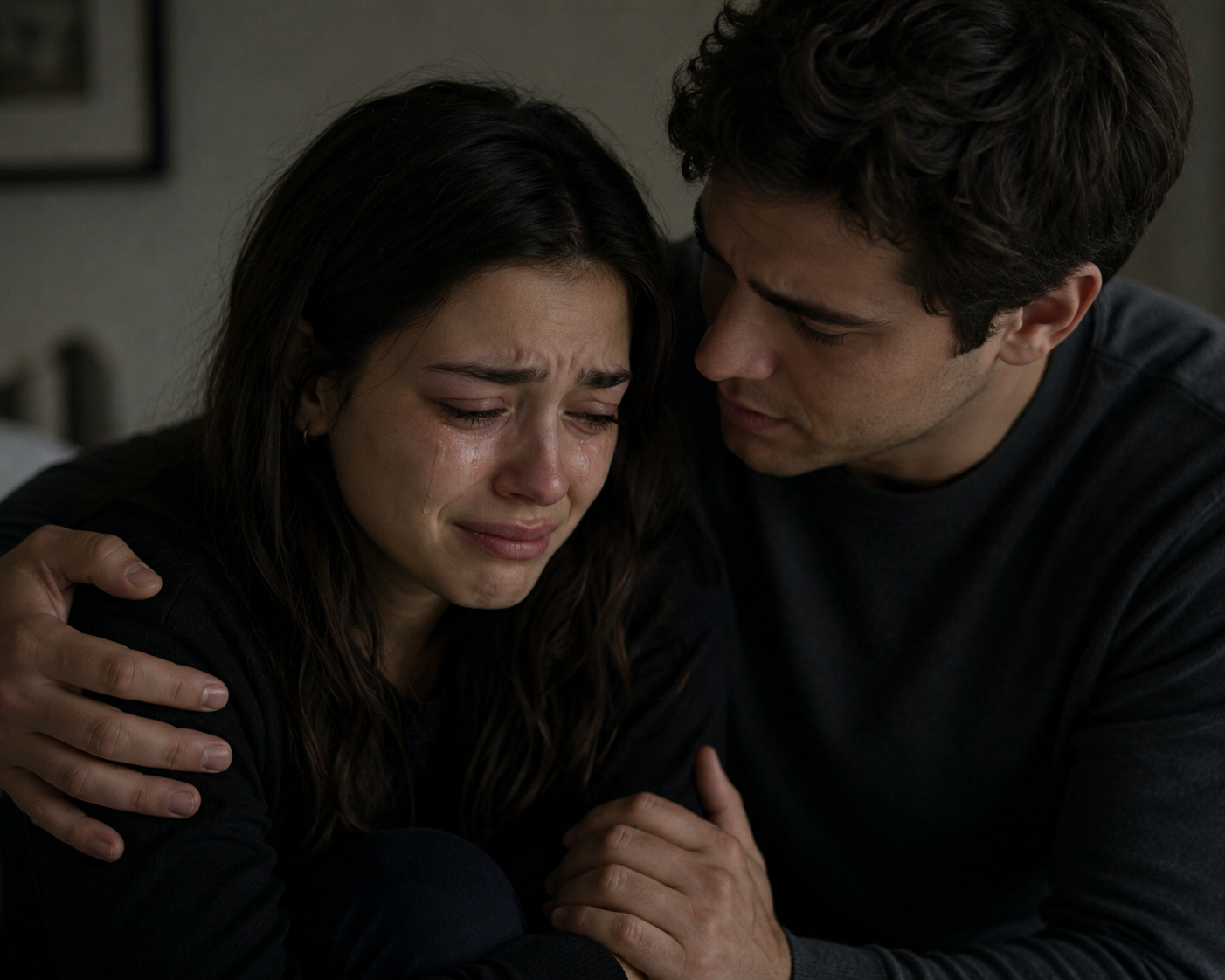
What Happens During the First 90 Days After Discovery?
The Crisis Phase
The first few months following discovery are often the most emotionally intense. This is a high-risk, highly chaotic time.
Most couples are not actually working on forgiveness during this phase. They are working on safety and stability.
The betrayed partner typically needs:
- Honest information
- Emotional validation
- Consistency
- Transparency
- Support
The unfaithful partner often needs to focus on:
- Accountability
- Patience
- Empathy
- Understanding trauma responses
- Consistent honesty
One of the biggest mistakes couples make is trying to rush this stage. Healing rarely happens through pressure or in a hurry. But this is difficult for people to manage, given the intense feelings that can arise from betrayal.
Healing happens through safety.
The Affair Recovery Roadmap
1. Crisis & Stabilization
Everything feels overwhelming. Focus: safety, slowing down, emotional grounding.
2. Understanding What Happened
I need answers. Focus: clarity, honesty, reducing confusion.
3. Impact & Emotional Pain
Do you understand how much this hurt? Focus: validation and emotional support.
4. Deeper Healing
This feels bigger than the affair. Focus: triggers, patterns, deeper wounds.
5. Rebuilding Trust
Can I trust you again? Focus: consistency and transparency.
6. Reconnecting & Moving Forward
Can we create something new? Focus: building a stronger relationship.
Most couples go through recovery in stages rather than a straight path. Imagine it as a circle, like the stages of grief. You may move in and out of different experiences.

The Healing Journey (What to Expect)
Seven Signs Your Relationship Can Heal
1. The Affair Has Completely Ended
A crucial first step in healing is ensuring the affair has completely ended. Recovery cannot begin while betrayal continues to linger. This involves no contact in any form, which means:
- No texts
- No secret accounts
- No social media contact
- No emotional connection
Trust requires clarity, so it’s essential that both parties are clear about the end of the affair.
2. Genuine Remorse Exists
Genuine remorse is different from mere guilt. Remorse involves acknowledging the hurt caused and sounds like: “I hurt you,” “I understand why you’re struggling,” and “I want to help you heal.” This sincere acknowledgment is vital for healing.
3. Accountability Is Consistent
Healing accelerates when responsibility replaces defensiveness. Consistent accountability helps to rebuild trust, showing a commitment to change and the relationship.
4. Transparency Becomes Normal
Trust grows through repeated experiences of honesty. When transparency becomes the norm, it fosters a safe environment where both partners feel secure and open, allowing trust to flourish.
5. Empathy Continues to Increase
Healing is furthered when the betrayed partner’s pain is acknowledged rather than minimized. Empathy involves understanding and validating their feelings, which helps in the recovery process.
6. Both Partners Are Willing to Grow
Affair recovery often requires personal growth from both individuals. When both partners are willing to work on themselves, it enhances the possibility of healing and building a stronger relationship.
7. The Relationship Still Matters
Couples who continue to invest in each other often have the strongest recovery outcomes. When the relationship still holds value, both partners are more likely to work towards healing and rebuilding their bond.
Understanding Patterns of Infidelity
These are patterns—not labels. A person may fit more than one. They help us understand why, not excuse behaviour. Ideas by Talal H Alsalem, LMFT
The Insatiable
Definition: A pattern driven by constant need for novelty and stimulation.
Core Traits: boredom, thrill-seeking, difficulty with long-term satisfaction.
Summary: The affair reflects internal restlessness rather than dissatisfaction in the relationship.
The Despaired
Definition: A pattern rooted in emotional pain and hopelessness.
Core Traits: sadness, feeling trapped, emotional escape.
Summary: The affair becomes a way to cope with distress.
The Lovesick
Definition: A pattern where the person forms a strong emotional bond with the affair partner.
Core Traits: idealization, romantic attachment, belief in ‘soulmate’.
Summary: The challenge is competing emotional attachments.
The Mortal
Definition: A pattern triggered by aging, identity shifts, or life transitions.
Core Traits: fear of aging, desire to feel alive or desirable.
Summary: The affair reflects concerns about identity and mortality.
The Egocentric
Definition: A pattern centered on entitlement and self-focus.
Core Traits: low empathy, justification, prioritizing own needs.
Summary: The challenge is accountability and empathy.
The Tone-Deaf
Definition: A pattern of poor awareness of relational boundaries.
Core Traits: lack of emotional awareness, boundary confusion.
Summary: The affair develops gradually without clear intent.
The Uninvested
Definition: A pattern of emotional disengagement before the affair.
Core Traits: detachment, low effort, burnout.
Summary: The affair reflects disconnection from the relationship.
The Lost
Definition: A pattern of unclear identity and direction.
Core Traits: confusion, lack of values, influenced by others.
Summary: The affair reflects instability in self-identity.
The Vengeful
Definition: A pattern driven by resentment and desire for retaliation.
Core Traits: anger, unresolved hurt, desire to punish.
Summary: The affair is used as a form of revenge.
Frequently Asked Questions
Can a marriage survive infidelity?
Yes. Many marriages not only survive infidelity but also develop stronger communication and emotional connection through the recovery process.
How long does affair recovery take?
Most couples experience meaningful recovery over 12–24 months, although every situation is unique.
Is it normal to think about the affair every day?
Absolutely. Intrusive thoughts are a common symptom of betrayal trauma, especially during the first several months after discovery.
Does EMDR Therapy help with betrayal trauma?
Yes. EMDR Therapy Calgary services can help reduce intrusive thoughts, emotional triggers, panic responses, and trauma symptoms related to affair discovery.
Should we stay together after an affair?
There is no one-size-fits-all answer. Professional counselling can help couples determine whether rebuilding is possible and healthy.
When should we start counselling?
The sooner support is obtained, the better. Early intervention often helps prevent damaging patterns from becoming entrenched.
Final Note
Healing is possible. Many couples rebuild stronger, more connected relationships through this process.
Book an appointment with:
Melody Evans, MSc, Registered Psychologist, Registered Marriage & Family Therapist
Melody Evans is a Registered Psychologist, Registered Marriage & Family Therapist, EMDRIA Certified EMDR Therapist, and EMDRIA Approved Consultant with more than 20 years of clinical experience. She specializes in affair recovery, betrayal trauma, EMDR therapy, and Gottman Method Couples Therapy. Through her work at Can’t We Just Get Along Counselling in Calgary, she helps individuals and couples move from crisis and disconnection toward healing, trust, and lasting emotional change. Find Melody on LinkedIn.