
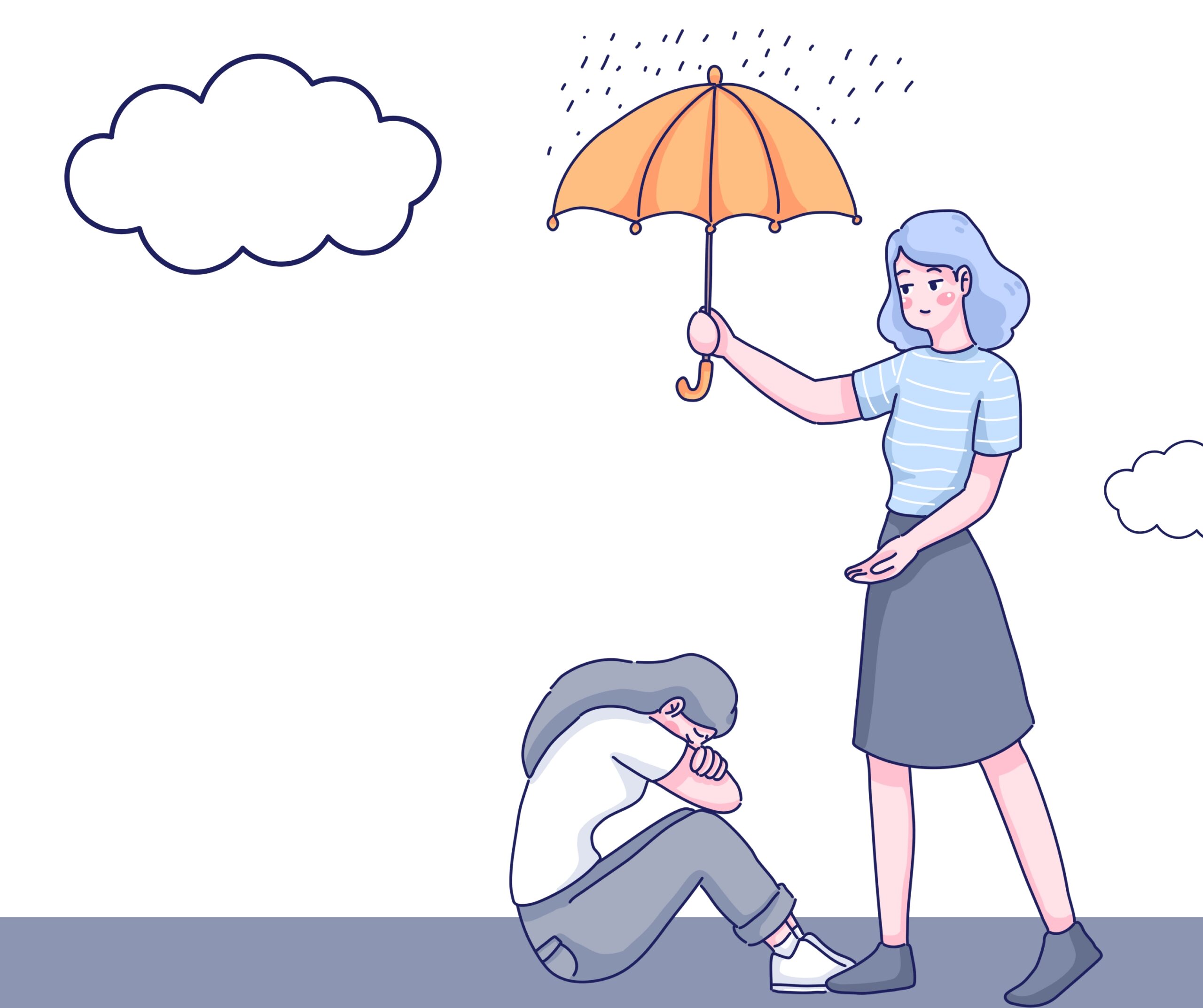
Emotions are a natural part of life, and everyone experiences ups and downs. It’s perfectly normal to feel sad at times, and there’s no need to be ashamed. However, it’s essential to recognize the difference between sadness, which is a normal, temporary emotion, and depression, a serious mental health condition that requires attention and care.
Sadness is a Normal Emotion
Sadness is a universal human experience. It often arises in response to specific events such as loss, disappointment, or conflict. While sadness can feel overwhelming, it is usually temporary and tends to fade as circumstances change or with the passage of time. Most importantly, sadness does not typically interfere with daily functioning for long periods. People experiencing sadness can still work, study, maintain relationships, and find enjoyment in life as their mood gradually improves.
Depression is a Mental Health Condition
Depression goes beyond ordinary sadness. It is a persistent and pervasive low mood that can occur with or without an apparent reason or trigger. Depression lasts for weeks, months, or even longer, and it significantly affects daily life. Individuals with depression may find it challenging to work, study, eat, sleep, or enjoy activities they once loved. Depression often includes physical symptoms such as fatigue, changes in appetite, or sleep disturbances, making it much more than just an emotional state. It’s crucial to remember that only a qualified professional can diagnose depression accurately. Seeking an evaluation from a mental health provider can help avoid the pitfalls of self-diagnosis and ensure appropriate care is provided.

Key Differences
- Duration: Sadness is typically short-term and usually resolves as situations improve. Depression is long-lasting and can persist for extended periods.
- Intensity: Depression is more intense and overwhelming than typical sadness, often making it hard to function.
- Impact: Depression disrupts daily life and functioning, while sadness usually does not.
- Symptoms: Depression often includes feelings of hopelessness, loss of interest in activities, and physical symptoms like fatigue or changes in appetite. Sadness does not typically involve these additional symptoms.
- Response to Positive Events: Sadness may lift with positive experiences or good news. Depression often persists despite positive changes or events.
When to Seek Help
It’s essential to seek support if:
- Low mood lasts more than two weeks.
- There is a loss of interest in activities once enjoyed.
- Daily functioning is affected in various settings, including work, school, and home.
- There are thoughts of self-harm or persistent feelings of hopelessness.

10 Powerful Behaviours for Overcoming Depression
If you or someone you know is experiencing these symptoms, reaching out to a healthcare professional or mental health support service can be an essential first step. Early intervention not only improves outcomes but also helps to reduce the burden of untreated depression. Remember, seeking help is a sign of strength, and your community has resources available to support you.
Depression can seem overwhelming, but small, steady actions can create a meaningful difference. Developing healthy habits and focusing on daily progress can help regain balance, energy, and hope. Here are ten powerful behaviours that support recovery and emotional well-being.
- Establish a Routine
Creating a daily schedule provides structure and stability. A predictable routine helps reduce feelings of chaos and gives a sense of control, which can be especially helpful when motivation is low.
- Engage in Physical Activity
Exercise is one of the most effective natural mood boosters. Physical activity releases endorphins, improves sleep, and reduces stress. Even a short walk, yoga session, or light stretching can lift energy levels and mood.
- Prioritize Sleep
Quality sleep is essential for mental health. Aim for consistent sleep and wake times, avoid screens before bed, and create a calming bedtime routine to improve rest and recovery.
- Eat Nutritious Foods
Nutrition plays a key role in emotional well-being. Choose foods rich in omega-3 fatty acids, whole grains, fruits, and vegetables. Balanced meals help stabilise energy and support brain function.
- Set Small, Achievable Goals
Breaking tasks into smaller steps makes them more manageable. Completing even minor goals builds confidence and creates a sense of accomplishment that fuels further progress.
- Practice Mindfulness or Meditation
Mindfulness helps calm the mind and reduce negative thought patterns. Simple breathing exercises or guided meditations can help bring focus to the present moment and ease emotional distress.
- Connect with Others
Isolation can deepen depression, while connection can help heal it. Spend time with supportive friends, family, or community groups. Sharing experiences and emotions can lighten the burden.
- Limit Alcohol and Avoid Drugs
Substances like alcohol and recreational drugs can worsen mood and interfere with recovery. Reducing or eliminating them supports clearer thinking and emotional stability.
- Engage in Enjoyable Activities
Even when motivation is low, engaging in activities that bring joy or meaning can help. Creative hobbies, time in nature, or volunteering can reignite a sense of purpose and pleasure.
- Seek Professional Support
Therapists, counsellors, and healthcare professionals can provide guidance, tools, and treatment options. Professional support is a vital part of managing depression effectively and safely.
Overcoming depression is a gradual process that requires patience and self-compassion. By incorporating these behaviours into daily life, it’s possible to build resilience, rediscover motivation, and move towards a more balanced and fulfilling life.
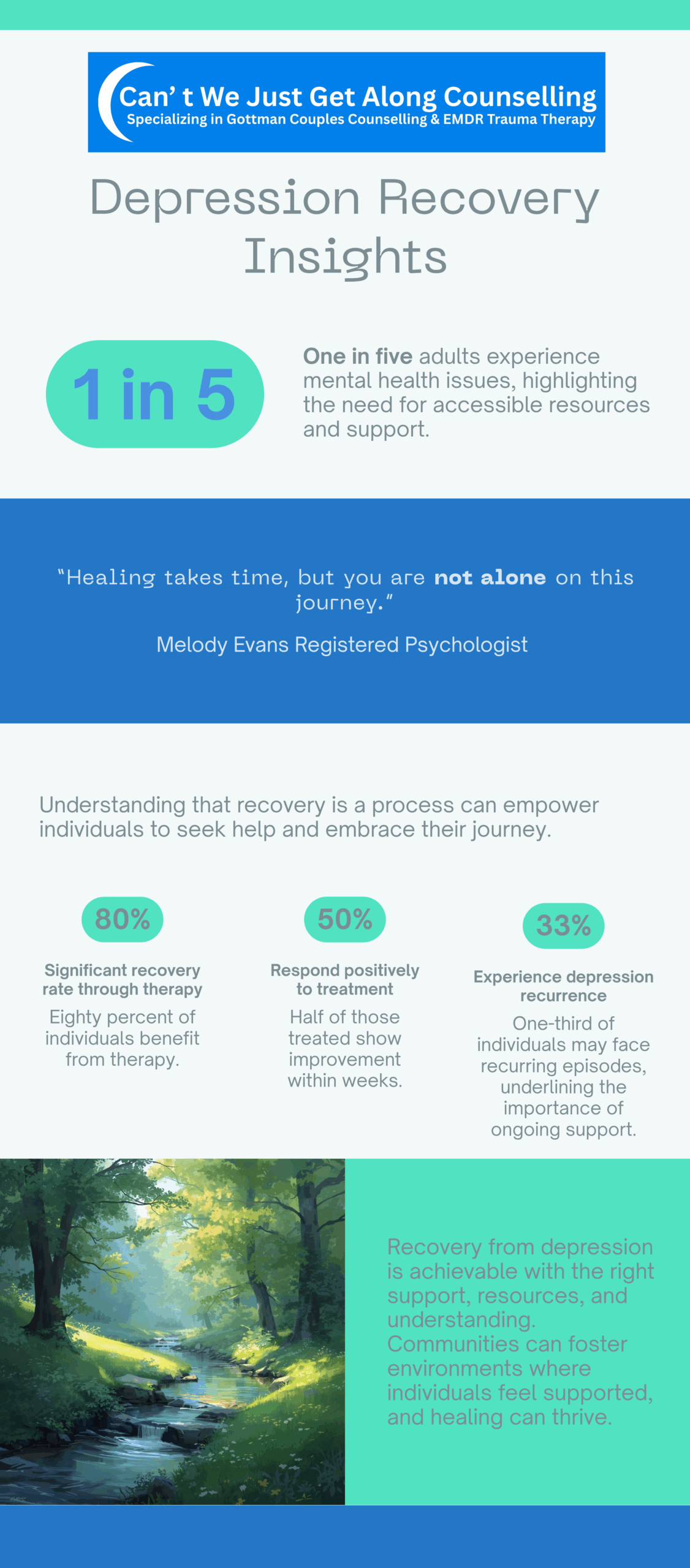
Final Thoughts
Sadness is a regular part of life’s emotional landscape, while depression is a serious mental health condition that requires understanding and support. Recognizing the difference between the two can help in seeking the proper care. If depression is suspected, reaching out to a mental health professional can make a significant difference and is a vital step toward healing and recovery. Some specific first steps may include speaking with a trusted friend or family member, contacting a mental health helpline, or scheduling an appointment with a healthcare provider. Taking these actions can empower individuals to effectively address their mental well-being.
We look forward to seeing you soon.
Melody Evans, Clinical psychologist
Melody Evans is a clinical psychologist and founder of Can’t We Just Get Along Counselling. With over 20 years of experience helping individuals, couples, and families, she uses solution-focused therapy to support clients through life’s challenges. Passionate about relationships and personal growth, Melody is committed to helping people create lasting positive change.