
Counselling services
Narcissistic Abuse Recovery in Calgary

Heal From Gaslighting, Emotional Manipulation, and Relationship Trauma
If you’ve been searching for narcissistic abuse recovery in Calgary, you may already know something is deeply wrong in your relationship—but you may not be able to explain exactly what it is.
Perhaps you have begun questioning your own memory. You replay conversations repeatedly wondering whether you misunderstood what happened. Maybe your confidence has disappeared. You find yourself apologizing constantly, avoiding conflict, or changing who you are simply to keep the peace.
Many people tell us:
“I don’t even know who I am anymore.”
“Maybe it really is all my fault.”
“I feel like I’m losing my mind.”
“Everyone else thinks they’re wonderful.”
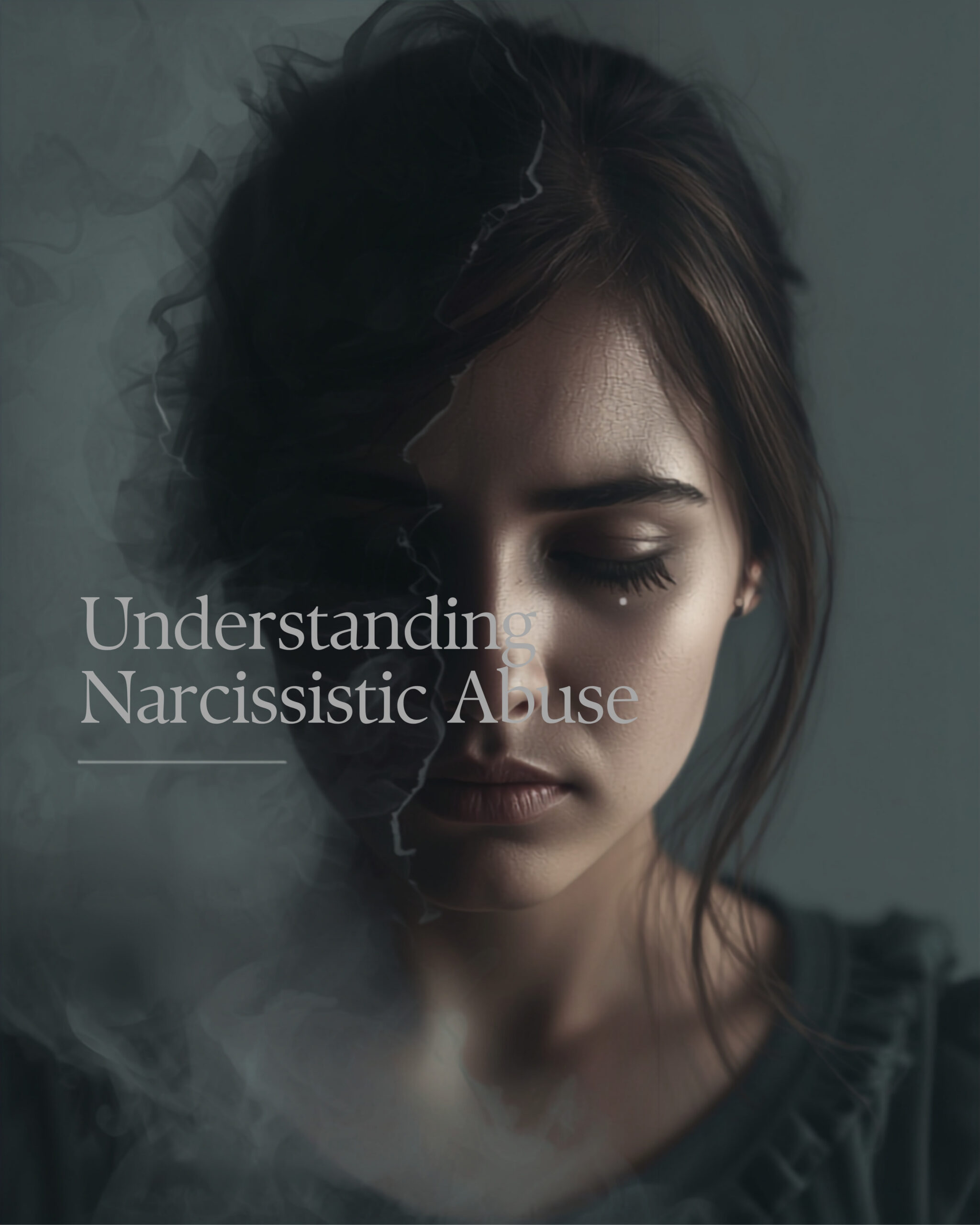
Living with chronic emotional manipulation can slowly erode your confidence, your sense of reality, and your trust in yourself. Unlike physical abuse, emotional abuse often leaves no visible scars, making it incredibly difficult for others—and sometimes even for you—to recognize what is happening.
At Can’t We Just Get Along Counselling, we provide trauma-informed therapy for individuals recovering from emotionally abusive relationships. Our Calgary psychologists integrate EMDR Therapy, Attachment Therapy, Cognitive Behavioral Therapy (CBT), and evidence-based trauma treatment to help clients rebuild confidence, restore emotional safety, and move toward healthier relationships.
What Is Narcissistic Abuse?
The phrase “narcissistic abuse” is widely used to describe recurring patterns of emotional manipulation and psychological control that occur within some relationships. It is important to understand that this is not a formal mental health diagnosis.
While Narcissistic Personality Disorder (NPD) is a recognized diagnosis, many people who display narcissistic traits do not meet diagnostic criteria. Therapy is generally less concerned with labeling another person than understanding the impact their behavior has had on you.
Whether the individual has a diagnosed personality disorder or not, repeated emotional manipulation can leave lasting psychological wounds.
Common behaviors include:
- Gaslighting
- Blame shifting
- Emotional invalidation
- Chronic criticism
- Silent treatment
- Love bombing
- Intermittent affection
- Emotional withdrawal
- Manipulation through guilt
- Financial control
- Isolation from family and friends
- Boundary violations
- Public charm combined with private hostility
The focus of therapy is not determining whether another person is “a narcissist.” Instead, the goal is to help you understand what has happened, recover from its effects, and rebuild a healthier future.
What Does Gaslighting Feel Like?
Gaslighting is one of the most confusing forms of emotional manipulation.
Over time, you may begin questioning your own perceptions because another person repeatedly denies reality or tells you your experiences never happened.
Examples include:
“You’re imagining things.”
“You’re too sensitive.”
“That never happened.”
“Everyone else agrees with me.”
“You’re crazy.”
Eventually, many people stop trusting themselves altogether.
One of the first goals of therapy is helping clients reconnect with their own reality.
Why Emotional Abuse Is So Difficult to Recognize
Many emotionally abusive relationships do not begin with abuse.
Instead, they often begin with:
- intense connection
- overwhelming attention
- affection
- promises of a perfect future
- feeling deeply understood
As the relationship develops, criticism, manipulation, control, or emotional withdrawal may slowly increase.
Because the changes happen gradually, many people adapt without realizing how much their lives have changed.
This gradual progression often explains why intelligent, capable people remain in unhealthy relationships much longer than they ever imagined they would.
Trauma Bonds: Why You Keep Going Back
One of the most misunderstood aspects of emotionally abusive relationships is the trauma bond.
People often ask:
“If the relationship is so unhealthy, why don’t I just leave?”
The answer is usually far more complicated than outsiders realize.
Trauma bonds develop through repeated cycles of:
- affection
- Hope
- emotional injury
- reconciliation
- temporary closeness
- disappointment
Your nervous system begins associating moments of relief with safety, even when the relationship itself remains harmful.
This is not weakness.
It is how human attachment systems respond to unpredictable relationships.
Understanding trauma bonds often helps clients replace shame with self-compassion.
Why Leaving Can Feel Impossible
People often assume that leaving an emotionally abusive relationship is simply a matter of deciding to leave.
In reality, many factors may make leaving extraordinarily difficult.
These include:
- financial dependence
- shared children
- religious beliefs
- cultural expectations
- fear of retaliation
- concern about being alone
- hope the relationship will improve
- attachment wounds
- reduced confidence
- fear of not being believed
Some individuals continue experiencing emotional abuse long after separation through co-parenting conflicts, legal proceedings, or ongoing manipulation.
Healing therefore involves far more than simply ending the relationship.

The Effects of Narcissistic Abuse
Long-term emotional abuse can affect nearly every area of life.
Many clients report:
- anxiety
- depression
- panic attacks
- chronic self-doubt
- hypervigilance
- insomnia
- difficulty making decisions
- emotional numbness
- intrusive memories
- shame
- people-pleasing
- perfectionism
- difficulty trusting others
- isolation
- loss of identity
Some individuals develop symptoms consistent with complex trauma because they have lived in an environment where emotional safety was unpredictable for years.
Can Emotional Abuse Change the Brain?
Research on chronic stress and trauma suggests that prolonged exposure to fear, unpredictability, and emotional threat can affect how the brain and nervous system function.
Many survivors notice they become:
- easily startled
- emotionally overwhelmed
- constantly alert for danger
- unable to relax
- fearful of conflict
- excessively self-critical
The encouraging news is that the brain remains capable of healing throughout life.
Therapy works not only by changing thoughts but by helping the nervous system regain a sense of safety.
How Trauma-Informed Therapy Helps
Trauma-informed therapy begins with one important assumption:
Your reactions make sense in light of what you have experienced.
Rather than asking,
“What’s wrong with you?”
therapy asks,
“What has happened to you?”
Treatment often includes:
- understanding trauma responses
- rebuilding emotional regulation
- reducing shame
- strengthening boundaries
- processing traumatic memories
- increasing self-trust
- restoring confidence
- reconnecting with personal values
EMDR Therapy for Narcissistic Abuse Recovery
Many survivors of emotional abuse carry painful memories that continue affecting their present lives.
These memories may involve:
- humiliating conversations
- repeated criticism
- betrayals
- emotional abandonment
- frightening confrontations
- childhood experiences that make current relationships feel familiar
EMDR (Eye Movement Desensitization and Reprocessing) is an evidence-based trauma therapy that helps the brain process distressing memories, so they become less emotionally overwhelming.
Many clients notice reductions in:
- intrusive memories
- shame
- fear
- hypervigilance
- emotional reactivity
- negative beliefs such as:
- “I’m not enough.”
- “I can’t trust myself.”
- “I’m powerless.”
- “I’ll never be loved.”
EMDR does not erase memories.
Instead, it helps the brain store them differently, so they no longer dominate your daily life.
Attachment Therapy and Relationship Patterns
Many people recovering from emotional abuse begin asking an important question:
“Why did I stay?”
Attachment therapy explores how early relationships may influence adult relationship patterns without blaming parents or suggesting that every difficulty comes from childhood.
Understanding attachment can help explain why some individuals:
- fear abandonment
- avoid conflict
- become chronic caregivers
- ignore red flags
- struggle with boundaries
- feel responsible for other people’s emotions
Awareness creates new opportunities for healthier relationships.
Rebuilding Healthy Boundaries
One of the greatest challenges after emotional abuse is learning to trust your own “no.”
Therapy often focuses on helping clients:
- identify manipulation
- recognize red flags
- communicate assertively
- tolerate guilt without abandoning boundaries
- stop excessive people-pleasing
- distinguish kindness from self-sacrifice
Healthy boundaries are not about controlling other people.
They are about protecting your own emotional well-being.
Recovering Your Identity
Many survivors say:
“I don’t know who I am anymore.”
Recovery involves rediscovering:
- personal values
- interests
- friendships
- strengths
- goals
- confidence
- independence
- joy
Healing is not simply about escaping an unhealthy relationship.
It is about becoming yourself again.
Can Relationships Recover?
This is one of the most common questions people ask.
The answer depends on many factors.
Some relationships improve when both partners demonstrate:
- genuine accountability
- empathy
- consistent behavioral change
- transparency
- willingness to participate in therapy
- emotional safety over time
However, when manipulation, intimidation, coercive control, or abuse continues, therapy prioritizes the affected partner’s safety and well-being.
No one should feel pressured to remain in a relationship that continues causing harm.
Frequently Asked Questions
Is narcissistic abuse a mental health diagnosis?
No. It is a commonly used term describing patterns of emotional manipulation rather than a formal diagnosis.
Can therapy help if I am still in the relationship?
Yes. Many people begin therapy while deciding what they want to do. Therapy can help you better understand relationship dynamics, strengthen coping skills, and make decisions that align with your values and safety.
Does EMDR work for emotional abuse?
Many people find EMDR helpful for trauma-related symptoms associated with emotionally abusive experiences. Your therapist will determine whether EMDR is appropriate based on your history, current stability, and treatment goals.
How long does recovery take?
Recovery is different for everyone. Factors such as the duration of the relationship, the severity of the abuse, available support, and previous trauma all influence healing. While recovery takes time, many people experience meaningful improvements in confidence, emotional regulation, and quality of life with appropriate therapy.
Will I ever trust again?
Yes, but the goal is not to trust everyone. Recovery helps you develop the ability to recognize who has earned your trust through consistent, respectful behavior.
Why Choose Can’t We Just Get Along Counselling?
At Can’t We Just Get Along Counselling, we understand that emotional abuse affects far more than your thoughts—it can change how safe you feel in your own body, how you view yourself, and how you relate to others.
Our Calgary psychologists provide compassionate, evidence-based care that integrates trauma-informed approaches, including EMDR Therapy, Attachment Therapy, CBT, and relationship expertise informed by the Gottman Method. We focus on helping clients understand the impact of emotional abuse, strengthen emotional resilience, rebuild healthy boundaries, and restore confidence in themselves and their relationships.
Whether you are questioning your relationship, preparing to leave, recovering after separation, or trying to rediscover who you are, you do not have to navigate the healing process alone.
About Melody Evans
Melody Evans is the founder of Can’t We Just Get Along Counselling and has more than 25 years of experience helping individuals and couples heal from trauma and rebuild healthier relationships. She is a Registered Psychologist, Registered Marriage & Family Therapist, EMDRIA Certified EMDR Therapist, EMDRIA Approved Consultant, CAP Approved Supervisor, and Gottman Level Three trained clinician. Her clinical expertise focuses on EMDR for relationship trauma, betrayal recovery, attachment injuries, and complex relationship dynamics. Melody integrates the Gottman Method, EMDR, attachment theory, and other evidence-based approaches to help clients recover from emotional abuse, rebuild trust in themselves, strengthen boundaries, and create lasting change. She is recognized for her compassionate yet structured approach and is committed to providing high-quality, evidence-informed care for individuals and couples throughout Calgary.
Begin Your Healing Journey
If you’ve experienced gaslighting, manipulation, chronic criticism, emotional control, or repeated boundary violations, healing is possible.
Recovery is not about becoming the person you were before the relationship.
It is about becoming someone who trusts themselves again, feels emotionally safe, and can build healthier relationships moving forward.
If you’re looking for narcissistic abuse recovery in Calgary, our team is here to help you take that next step with compassionate, evidence-based care.